
LED screen systems for indoor and outdoor spaces
An LED screen should fit its audience, location and content. LEDARTIST plans indoor, outdoor and transparent LED display systems around viewing distance, pixel pitch, ambient light, service access and the supporting structure.
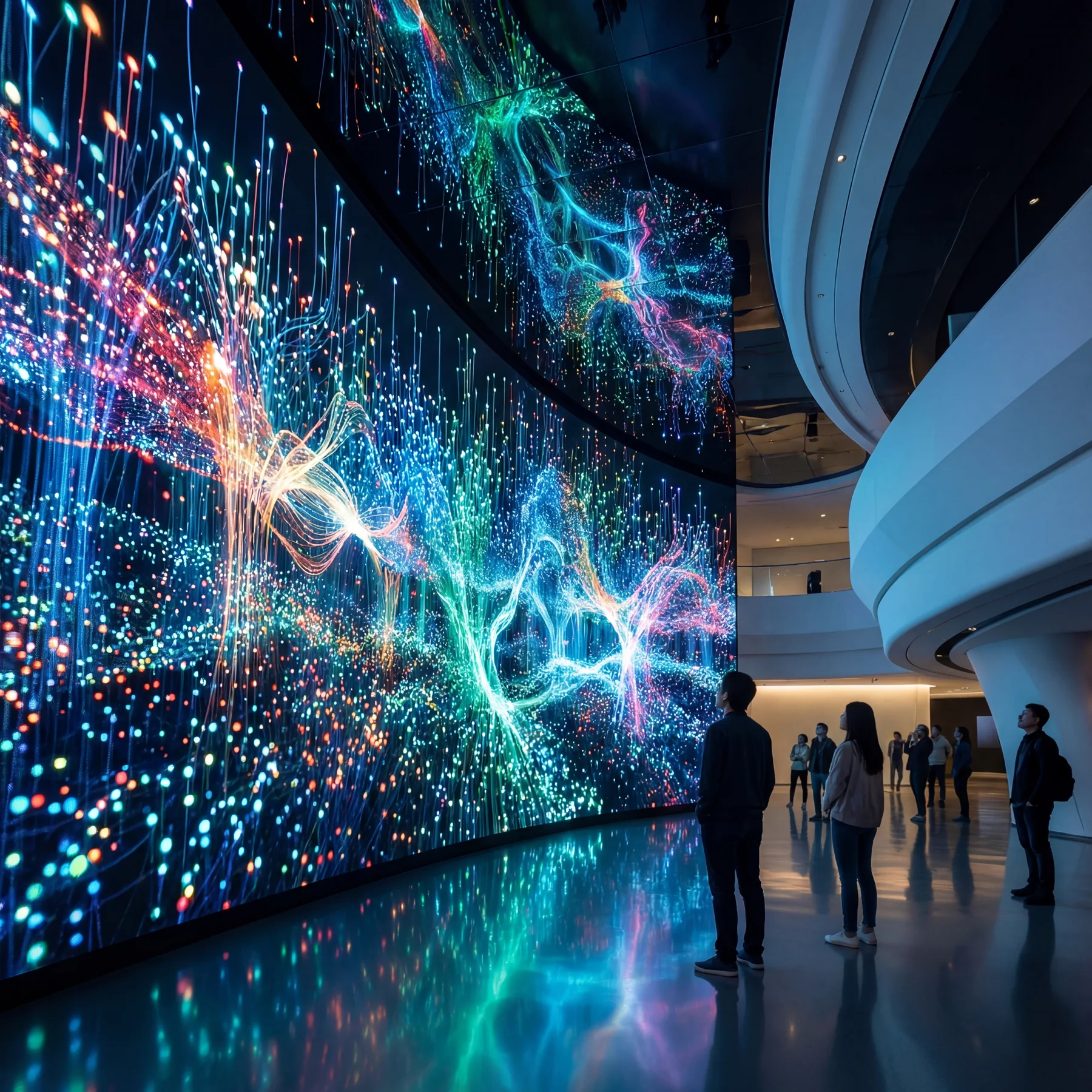
Indoor LED screens
At close viewing distances, pixel pitch and content resolution are assessed together. The screen’s position, ambient light, colour expectations and service access influence design decisions. Preparing content in the correct proportions strengthens the visual impact.
Outdoor LED screens
Daylight readability, environmental conditions, supporting structure and maintenance access are key inputs for outdoor projects. Brightness and electrical load are assessed for daytime and night-time operation. Product protection features are matched to the application conditions.
Media façades and transparent systems
An LED screen and a media façade serve different purposes. Media façades prioritise architectural transparency, pixel density and perception from a distance. Transparent and mesh systems offer different balances between the visibility of the building and digital content.
Screen collections for your project.
Planning your project
What determines the price of an LED screen?
Screen area, pixel pitch, indoor or outdoor use, brightness, control equipment, supporting structure and installation conditions affect the quote. Share dimensions, viewing distance and site photos for a project-specific assessment.
How is pixel pitch selected?
Viewing distance and content detail are considered together. A smaller pixel pitch can improve close-range detail, but the right choice also depends on screen size, content resolution and budget.